From Farm to City: Why Choosing Organic Foods Benefits Your Family and the Planet
Choosing organic foods for your family is one of the most talked-about decisions in health and wellness today. Whether you are new to natural eating or have been reading labels for years, understanding why organic foods in Chicago, IL, matter can help you feel confident at every grocery run. From the fields where produce is grown to the urban neighborhoods where families sit down to dinner, the journey of food touches both personal health and the health of the planet.
What "Organic" Actually Means for Your Family
“Organic” is not just a label on a package. When a food carries an organic certification, it means it was grown without synthetic pesticides, synthetic fertilizers, or genetically modified organisms. That distinction matters most for families with young children, whose smaller bodies can be more sensitive to chemical residues in food.
Nutritional density is one of the most important reasons families in Chicago seek out organic options. While every piece of produce is different, many shoppers find that organic foods grown through careful, natural farming methods tend to offer richer flavors and a fuller nutrient profile. That can mean more antioxidants, more vitamins, and a cleaner eating experience from the very first bite.
Why Organic Foods Carry a Community Meaning
Choosing organic foods is not just a personal health decision. It is a vote for how food gets grown, handled, and distributed across the region. Chicago families who shop with intention can help support farms that prioritize soil health, water quality, and responsible land use.
The Local Connection Between Farm and Table
The path from a Midwest farm to a Chicago kitchen can be shorter than many people realize. When a local health food store prioritizes partnerships with regional growers, the produce on the shelf tends to be fresher, picked closer to peak ripeness, and transported with less impact on the environment.
Supporting local and regional farms also keeps economic activity circulating closer to home. Dollars spent on responsibly sourced produce can flow back into farming communities not far from the city.
Transparency in Labeling and Why It Matters
One of the most important things to look for when shopping organic is clear, honest labeling. A trustworthy health food store will often go beyond the basics, offering products that are not just labeled organic but are sourced with transparency and care throughout the supply chain.
Reading a label may feel overwhelming at first. Look for the USDA Organic seal as a starting point. From there, shorter ingredient lists, recognizable terms, and certifications from third-party organizations can all be signs that a product was made with integrity. Knowledgeable staff at community-rooted stores can often walk you through exactly what those labels mean.
Nutritional Density and the Case for Going Organic
Organic farming methods focus on feeding the soil, not just the crop. Healthier soil can produce plants with a richer nutrient profile. That matters when you are trying to get the most out of every meal you prepare for your household.
Key Nutrients Often Found in Organic Produce
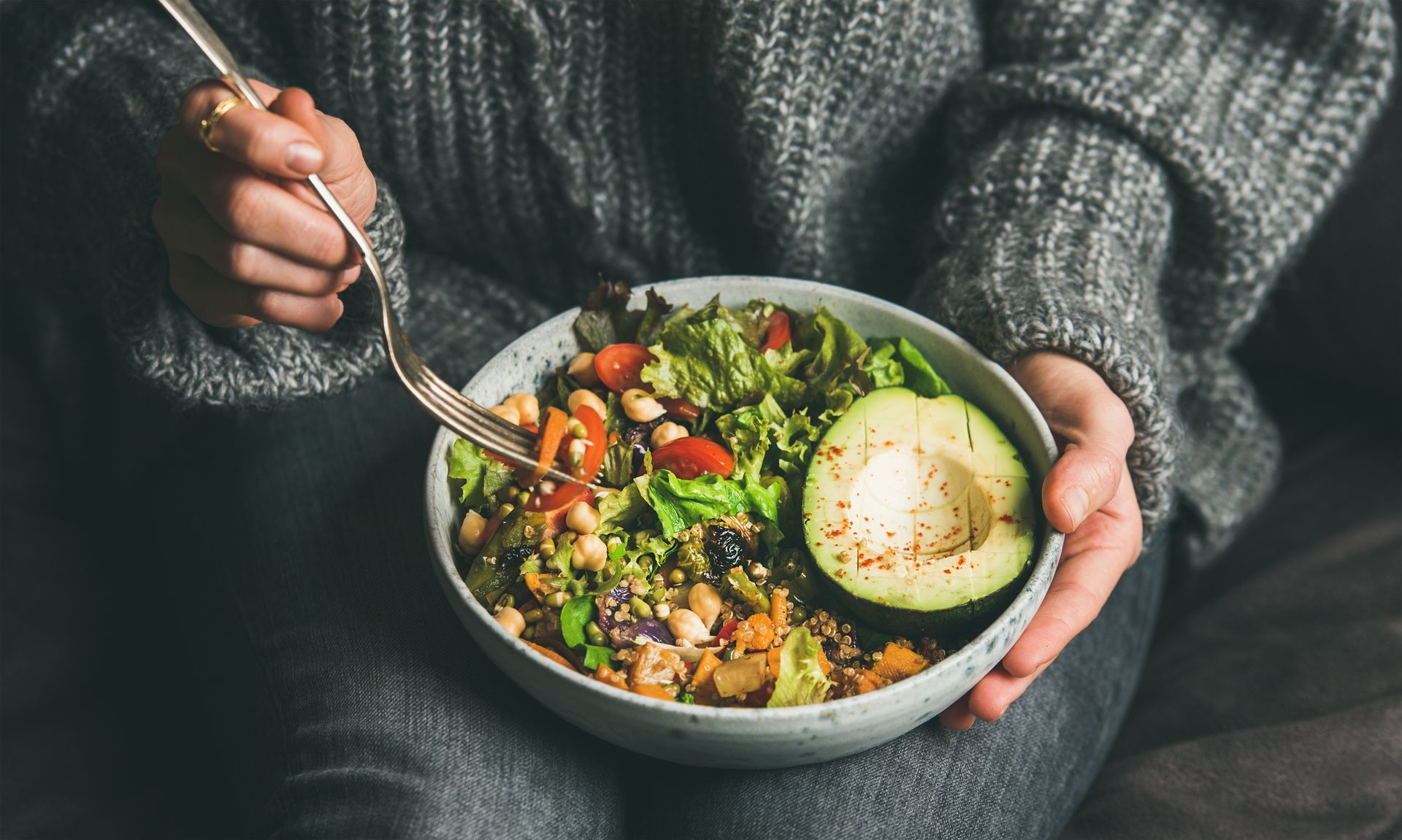
Families who make the switch to organic foods often notice a difference in taste before anything else. Beyond flavor, organically grown fruits and vegetables may offer:
- Higher levels of certain antioxidants that support the immune system.
- Fewer chemical residues on the skin or outer layers of produce.
- A cleaner ingredient profile when no synthetic additives are involved.
- More natural growing conditions that can support a richer nutrient environment.
None of these points are guarantees for every single item, since soil conditions, weather, and crop type all play a role. But the general trend in research suggests that organic growing practices may support a more nutrient-dense product over time.
Seasonal Shopping in Chicago: A Smart Organic Strategy
Chicago has four distinct seasons, and that seasonal rhythm can actually work in your favor as an organic shopper. Produce that arrives at a local store in season tends to be fresher, more flavorful, and more nutritious than out-of-season items that have traveled long distances to reach a shelf.
How to Shop by Season in Chicago
Visiting your local produce aisle with the season in mind can help you find the freshest items available in the city. In general:
- Spring may bring leafy greens, asparagus, and early root vegetables.
- Summer often offers the widest range of organic fruits, tomatoes, and squash.
- Fall typically brings apples, pears, and hearty greens that thrive in cooler weather.
- Winter may highlight storage crops like onions, potatoes, and citrus from warmer climates.
When you keep an eye on what is newly arriving in the produce section, you are more likely to bring home something picked at its freshest point. Ask store staff about recent seasonal arrivals. That simple habit can meaningfully improve the quality of your meals.
Reading Labels at Your Local Health Food Store
Shopping at a dedicated health food store in Chicago typically gives you a different experience than a large chain. Staff members often have real knowledge about where products come from, what certifications mean, and which items might suit specific dietary needs.
That kind of education-first approach can be especially helpful for families who are still learning how to navigate organic labels.
Here is a simple framework for reading labels at the store:
- Look for the USDA Organic seal as a baseline indicator of certification.
- Check the ingredient list for length and familiarity of terms.
- Ask staff whether a product has been third-party tested or certified beyond the basic organic standard.
- Look for regional sourcing language on the package when you want to support closer-to-home farms.
- Check the produce section for seasonal arrival tags that signal peak freshness.
Understanding what you are buying makes the trip to the store feel less like a chore and more like an informed investment in your family's health.
Simple Ways to Start Eating More Organic Foods
Making the switch to organic foods does not have to happen all at once. Many families find it easier to start with produce items that they eat most often or items that are most commonly associated with higher pesticide residue.
A Gradual Approach That Works for Chicago Families
Here are a few ways to ease into an organic routine without overhauling your entire grocery list at once:
- Start with the produce you eat every day, such as apples, berries, or greens.
- Swap one or two conventional pantry staples for organic alternatives per shopping trip.
- Visit your local produce aisle regularly to check for seasonal arrivals and new organic options.
- Use store staff as a resource to ask which items offer the most value when chosen organic.
- Keep a running list of items you have tried and liked so your choices build naturally over time.
A gradual approach often leads to more lasting habits than a sudden total overhaul. Progress matters more than perfection.
Your Next Step Toward Cleaner, Organic Eating
Ready to explore organic options for your family right here on Chicago's South Side? Southtown Health Foods has been serving the Beverly neighborhood and surrounding South Side communities since 1946. As a trusted, family-owned local option, the team at Southtown Health Foods is here to help you navigate the produce aisle, understand labels, and find the right organic products for your household's needs. Stop by to see the seasonal produce selection in person, or
get in touch through the contact page to ask any questions before your visit. You can also explore the full
organic food selection on the website to see what is currently available. You can also find
Southtown Health Foods on Google Maps for directions, hours, and recent updates.